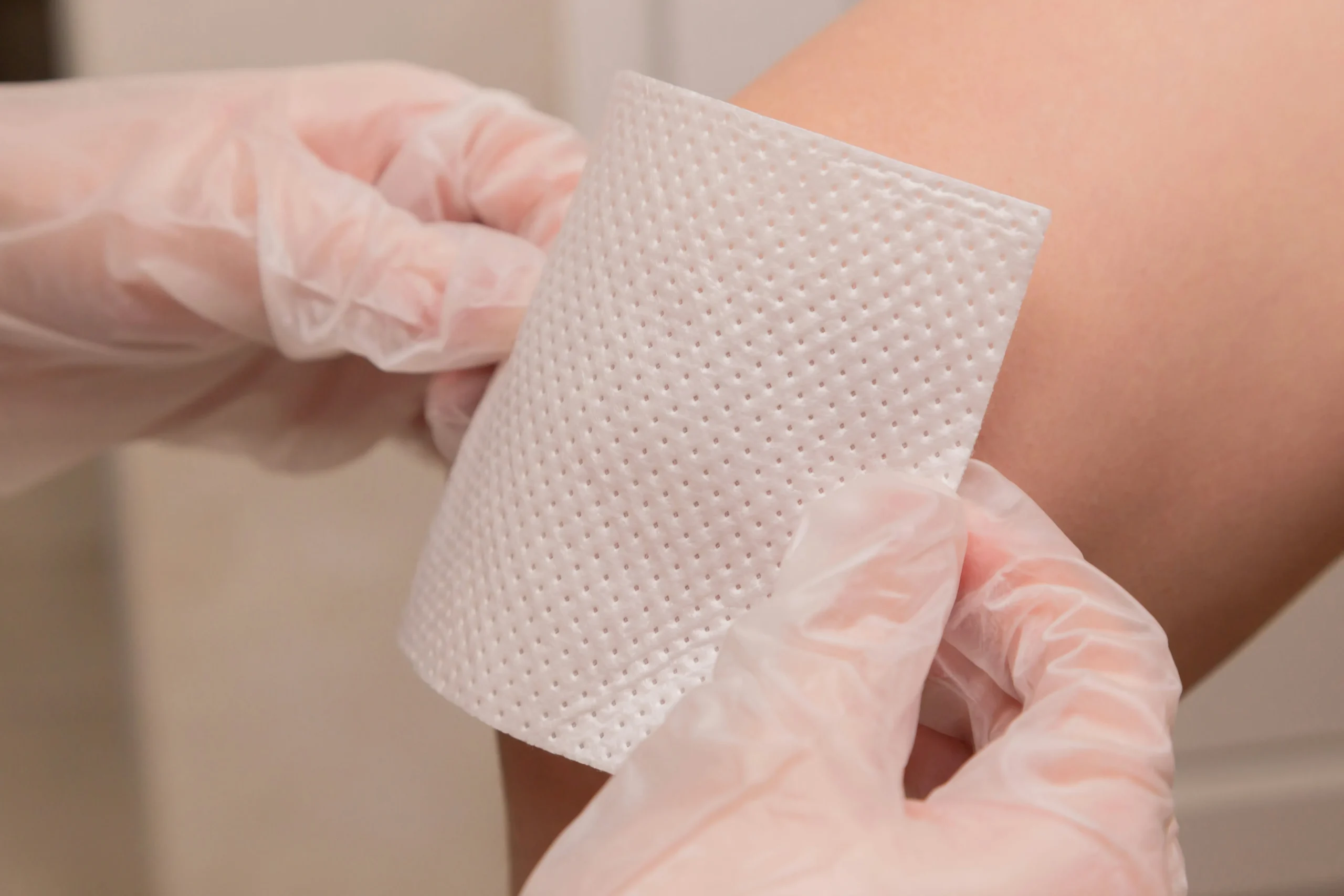
Proper wound care after surgery is important for supporting healing and achieving the best possible scar. While some swelling, bruising, redness, and discomfort are normal, following proper wound care can help reduce the risk of complications.
These are general guidelines. Always follow the specific instructions provided by your plastic surgeon or dermatologist.
What to Expect After Surgery
Local anaesthetic may last for several hours after your procedure. Swelling and bruising are common and may initially worsen before improving. The incision may also appear red or inflamed during the first few days or weeks.
You may notice a small amount of blood or drainage around the wound. Some discharge may be related to local anaesthetic or dissolving suture material and can be gently wiped away.
Mild discomfort is also expected. Acetaminophen (Tylenol) and/or ibuprofen (Advil) may be used as directed by your healthcare provider. Take prescription medications only as instructed.
Caring for Your Wound
Unless your surgeon or dermatologist has given you different instructions:
- Showering: Remove your dressing and allow the wound to get wet in the shower 48 hours after surgery. Do not soak or submerge the wound in water.
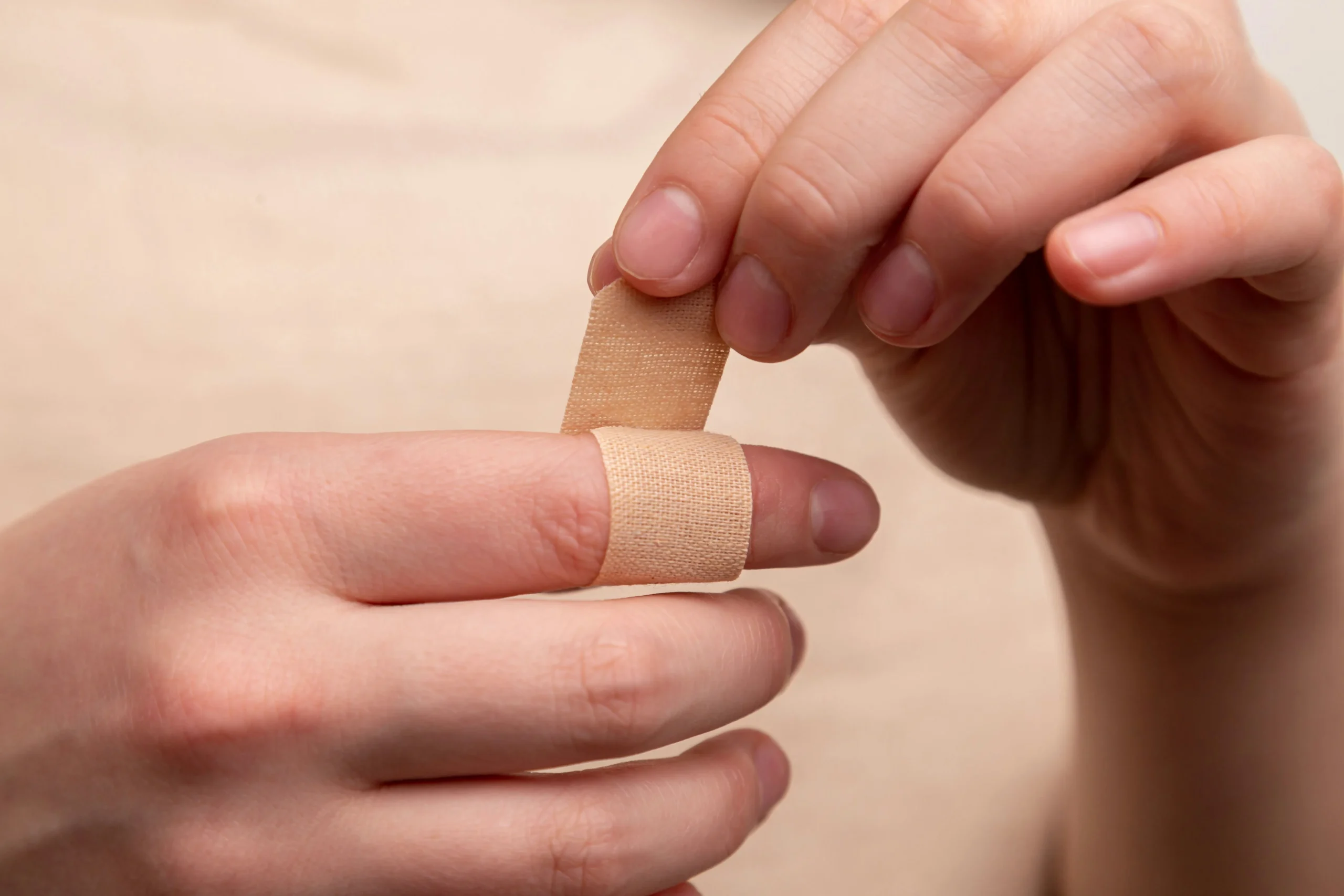
- After showering: Gently pat the wound dry, apply Vaseline (petroleum jelly), and cover it with a clean dressing. Repeat daily for approximately 2–3 weeks. Always wash your hands before touching your surgical site.
- Steri-Strips: Leave Steri-Strips in place and shower normally. If they have not fallen off after approximately 7 days, they may be removed as directed by your surgical team.
- Stitches: Your surgeon or dermatologist will tell you whether your stitches need to be removed or will dissolve on their own. Do not remove stitches yourself unless instructed.
Activity After Surgery
Avoid the gym for at least 48 hours and minimize activities that place stress on the surgical site for approximately 2–3 weeks, or as directed by your surgeon or dermatologist. Elevate the surgical area when possible during the first week to help reduce swelling.
Avoid swimming for approximately 2 weeks. Keep alcohol consumption to a minimum, particularly if you are taking pain medication or antibiotics. Avoid smoking for at least 4 weeks, as nicotine reduces blood flow and can interfere with wound healing.
Scar Management
Scars can take approximately 12 months to fully mature. Protect your scar from sun exposure during this period, as sunlight can cause permanent darkening or discoloration.
Approximately 3 weeks after surgery, your surgeon or dermatologist may recommend gently massaging the scar with Vaseline for 2–3 minutes, 2–3 times daily. If your scar becomes increasingly raised or appears worse after several months, speak with your physician about options such as silicone gel, silicone sheets, or steroid injections.
When to Seek Medical Attention
Contact your clinic, family physician, or an emergency department if:
- The incision becomes increasingly hot, red, swollen, or painful.
- The wound develops pus or significant drainage.
- Active bleeding continues after 20 minutes of firm, continuous pressure.
- You develop a fever or feel generally unwell.
If you have questions or concerns about your wound or scar, please contact our clinic.